
 EN
EN  DE
DE  IT
IT  FR
FR  RU
RU  ES
ES  JA
JA  PT
PT  KO
KO  TR
TR  DA
DA  TH
TH  HI
HI  MN
MN  VI
VI  AR
AR Private Label vs Brand Agency: Which Business Model Is Better for Watch Distributors?
For watch distributors, the choice between private label and brand agency is no longer just a question of preference. In 2026, it is a strategic decision shaped by margin pressure, slower growth across much of the watch market, and a stronger need for clear positioning. Swiss watch exports fell 1.7% in 2025, while industry reporting in early 2026 continued to describe a selective market with rising costs, pricing pressure, and uneven performance across regions and brands.
That environment changes how distributors should think. A brand agency model can offer faster market entry and lower product-development risk, but a private label model can offer stronger control, better margin potential, and more long-term brand value if executed well. In other words, neither model is automatically “better.” The better model is the one that fits your capital, channel strength, pricing power, and long-term ambition. This conclusion is an inference based on current watch-market conditions and broader distribution research on private labels.
What Is a Brand Agency Model in Watches?
A brand agency model means a distributor represents and sells an existing watch brand in a defined market, territory, or channel. The distributor benefits from the brand’s established identity, product development, and in some cases marketing support, while focusing on sales, retail relationships, and market expansion. In practice, this model is often easier to launch because the product already exists and the brand story is already built. This definition is a general business characterization supported by watch-industry coverage of authorized dealers, pricing structures, and branded distribution relationships.
For many distributors, brand agency works best when the represented brand already has demand, a recognizable image, or a clear price-positioning advantage. In a market where top brands continue to gain share while many weaker players struggle, the value of strong brand equity has become even more obvious. Hodinkee’s 2026 reporting on the Morgan Stanley and LuxeConsult estimates says Rolex, Cartier, Audemars Piguet, and Patek Philippe gained sales and market share in 2025 while much of the industry faced pressure.
What Is a Private Label Model in Watches?
A private label model means the distributor builds or controls its own watch brand, usually by working with an OEM or ODM manufacturer. Instead of distributing another company’s brand, the distributor owns the brand positioning, pricing logic, assortment direction, and customer experience. Broader private-label research shows distributors often use this model to increase control over customer relationships and improve profitability. McKinsey says distributors that successfully increase private-label penetration can gain a distinct advantage in gross margin and customer retention, while Shopify reports the private-label market is growing quickly as merchants seek better value, uniqueness, and stronger ownership of the customer offer.
In watches, private label is especially attractive when a distributor wants to create a differentiated collection for a specific market segment rather than depend on the strategy of an outside brand. This can be especially effective in fashion-led categories, gift channels, boutique retail, and price-sensitive markets where design, packaging, and local positioning matter as much as heritage. That channel guidance is an inference from the cited private-label research and the current watch market’s pricing pressure.
Why Brand Agency Can Be a Stronger Short-Term Model
For distributors who want speed and lower complexity, brand agency is often the safer short-term route. You do not need to build the product from zero, develop a full brand system, or carry the same level of creative and manufacturing responsibility. In a market where costs are rising and retailers are more selective, this lower setup burden can matter a lot. Industry reporting for 2026 highlights price increases driven by inflation, a weaker dollar, tariffs, and high input costs, all of which make missteps more expensive for distributors.
A brand agency model can also open doors faster with retailers. Established brands often make it easier to secure meetings, justify display space, and build confidence with buyers. In a difficult market, retailers may prefer recognized brands with clearer demand signals over a completely new label. That advantage is an inference based on the concentration of gains among top watch brands and the more cautious 2025–2026 environment described in the industry reporting.
Why Private Label Can Be a Stronger Long-Term Model
Private label usually becomes more attractive when a distributor is thinking beyond immediate turnover and wants to build a defendable business asset. McKinsey’s distribution research says private-label brands can help distributors retain customers and accelerate profitable growth, and its retail research says consumers continue to opt for private brands rather than returning fully to national brands.
For watch distributors, that means private label can create several structural advantages. You can set your own assortment strategy, create exclusive products for your market, control the pricing ladder more directly, and reduce dependence on the decisions of an external brand owner. If the brand grows, the distributor is not merely selling value for someone else; it is building brand equity that it owns. That conclusion is an inference based on the cited private-label economics and the watch industry’s current squeeze on pricing and margins.
Margin Potential: Private Label Usually Has the Edge
On margin, private label often has the stronger long-term logic. McKinsey explicitly notes that distributors increasing private-label penetration can gain a distinct gross-margin advantage, because they are not sharing the same value pool with an external brand owner in the same way.
That does not mean private label is automatically more profitable from day one. It usually requires upfront work in product development, branding, packaging, content, and market education. But once the model is functioning well, margin structure is often more flexible. In a watch market facing cost inflation and squeezed margins, that flexibility can become a major advantage. This is an inference supported by McKinsey’s margin analysis and 2026 watch-industry reporting on price and cost pressure.
Risk Profile: Brand Agency Is Often Easier to Manage Early
If the distributor’s main priority is lower early-stage risk, brand agency often wins. The brand agency model typically reduces the burden of brand creation, consumer education, and product architecture. It also allows the distributor to test a market with less strategic complexity. In a structurally challenging year for watches, that simplicity matters. Hodinkee described 2025 as one of the most structurally challenging years in a decade, while official Swiss data and industry commentary point to cautious conditions rather than a full recovery.
Private label, by contrast, puts more responsibility on the distributor. If the product, design, or positioning is weak, there is no outside brand equity to rescue the sell-through. McKinsey also warns that some private-label launches happen without a clearly defined value proposition, which weakens their role in the assortment.
Control and Flexibility: Private Label Usually Wins
Where private label clearly stands out is control. The distributor can shape the watch collection around local demand, regional style preferences, price targets, and channel realities. This can be very powerful in markets where consumers want better value, distinctive design, or products tailored to local retail tastes. Shopify’s 2026 overview notes that shoppers are helping drive private-label growth through demand for value, uniqueness, and trustworthy brands.
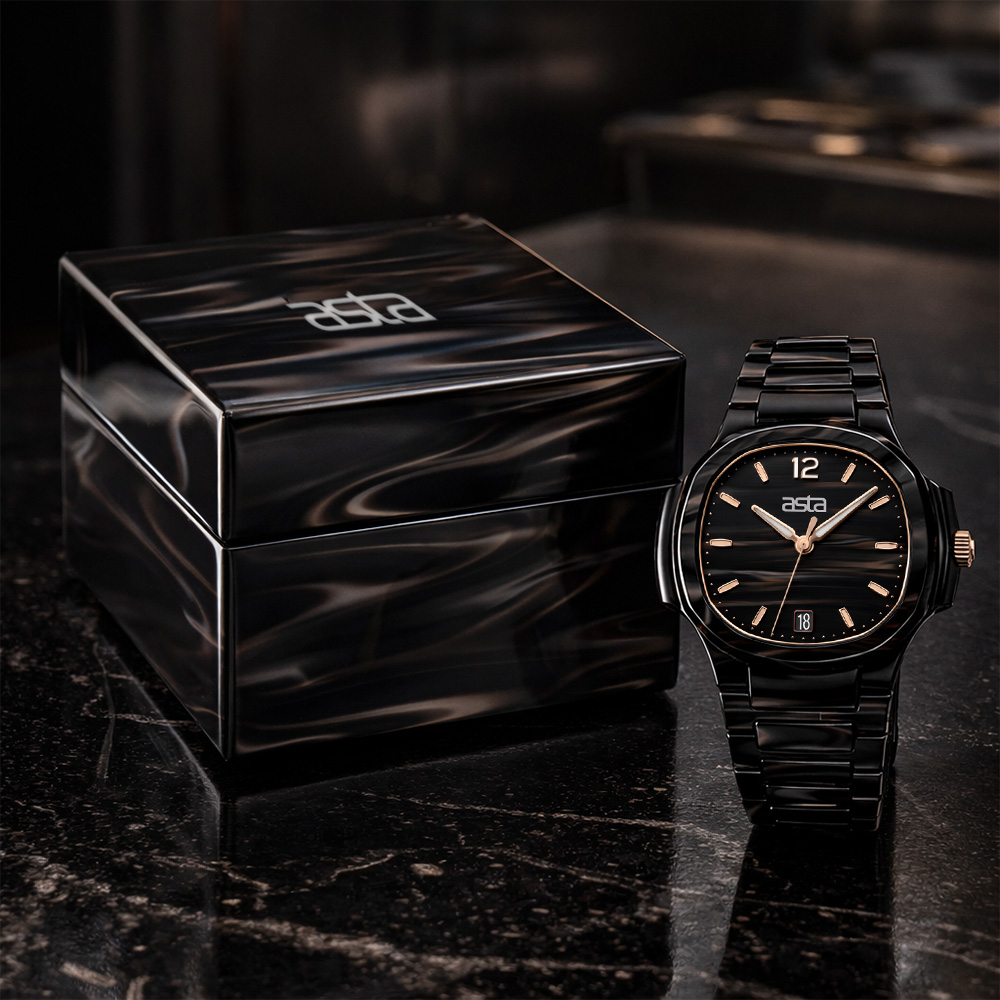
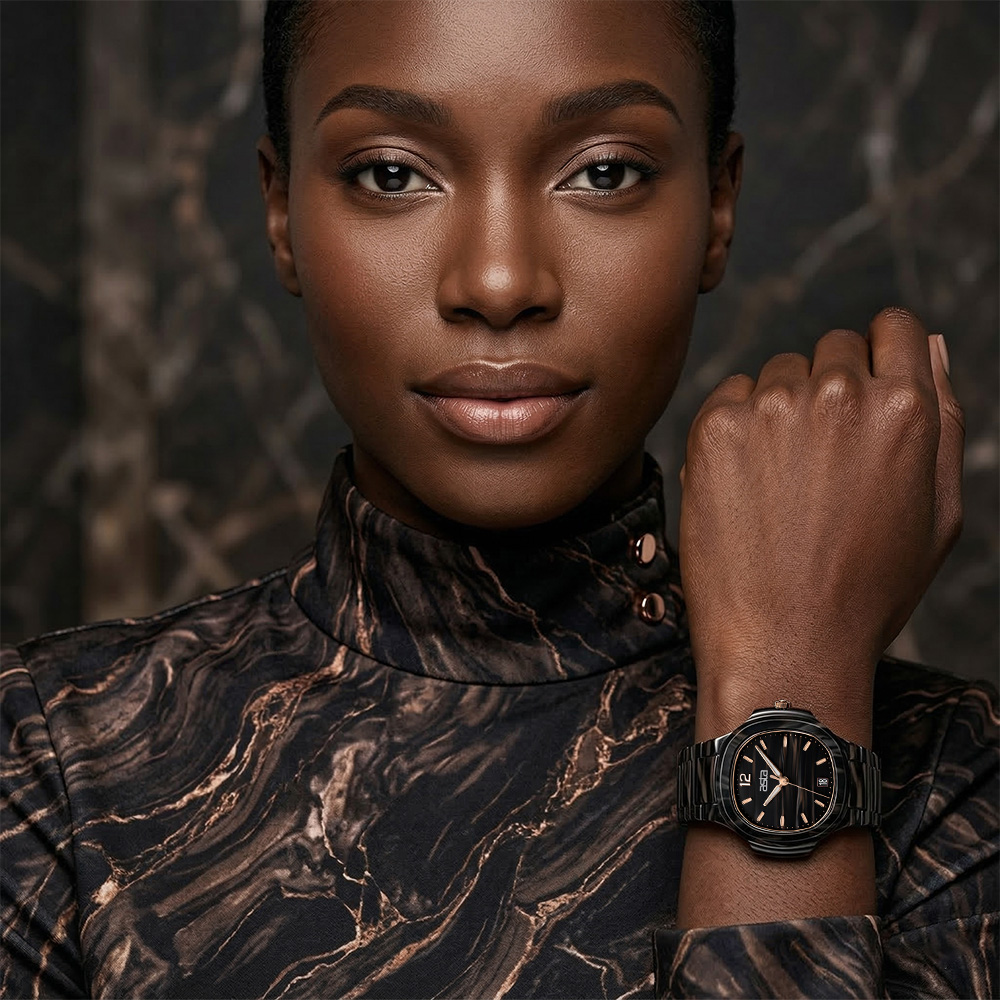
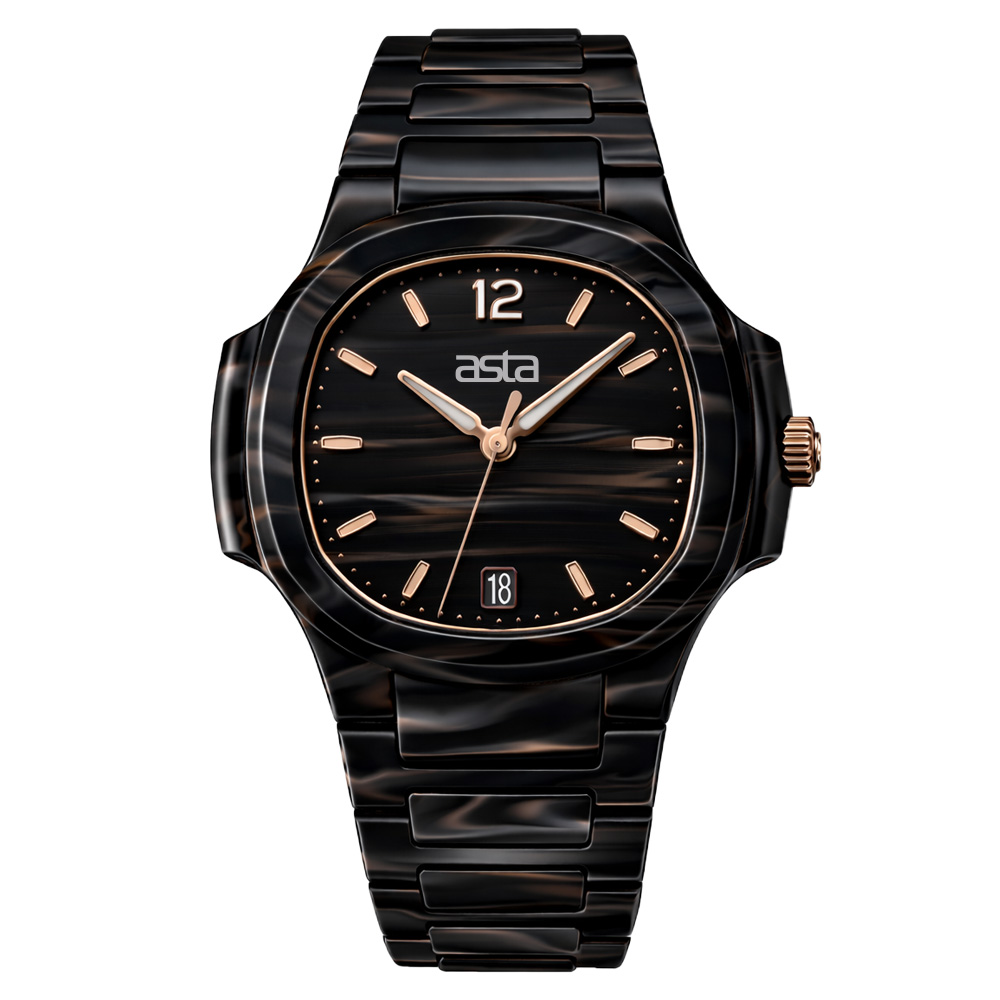
For watch distributors, that flexibility can include custom case sizes, tailored dial colors, exclusive packaging, market-specific collections, and material choices that differentiate the product visually. This is one reason private label can be especially effective for acetate watch collections, where color, pattern, gloss, and overall styling are major selling points. That final sentence is an inference based on the cited private-label demand for uniqueness and the design flexibility of acetate products.
Brand Power: Agency Wins if the Brand Is Strong Enough
The biggest advantage of brand agency is borrowed brand power. If the brand already has recognition, desirability, or retailer pull, the distributor can benefit without carrying the full cost of creating that demand. In the current watch market, strong brands have become even more valuable because market share is concentrating among leaders while weaker names face a tougher environment.
That said, this benefit depends on the quality of the brand. Representing a weak or poorly positioned watch brand can leave the distributor with the disadvantages of both models: limited control, limited margin flexibility, and little real brand pull. This is an inference based on the concentration of gains among a small set of top brands in 2025.
Which Model Is Better for Different Types of Watch Distributors?
For a distributor with strong retail relationships but limited product-development resources, brand agency is often the better starting model. It allows faster launch, cleaner retailer conversations, and less complexity in sourcing and branding. This is especially true if the represented brand has genuine market demand.
For a distributor with good market knowledge, channel control, and a desire to build a long-term asset, private label is often the better strategic model. The margin upside, control, and ownership of brand equity can outweigh the extra setup work, particularly in design-led segments where product differentiation matters.
For a distributor focused on mid-market and fashion-oriented watch categories, private label may be especially compelling in 2026 because the market is price-sensitive and retailers increasingly need products with clearer value positioning. That conclusion is an inference from current pricing pressure and the broader momentum behind private-label products.
For a distributor targeting premium or prestige retail, brand agency may remain the better model because brand equity is often the main source of consumer pull. This conclusion is an inference based on how strongly top prestige brands outperformed the broader watch market in 2025.
The Best Answer for Many Distributors: A Hybrid Strategy
In practice, many distributors may benefit most from a hybrid model. They can use brand agency to generate near-term turnover and credibility while gradually developing private label collections that improve margin and give them more control over the future. This is not directly stated in the sources, but it is a reasonable inference from the combination of two facts: strong brands still matter greatly in watches, and private label can deliver better margin and customer-retention economics over time.
This hybrid approach can be especially effective when the private-label collection is positioned carefully rather than competing head-on with the agency brand. For example, the agency brand may serve premium retail while the private-label line serves fashion, gifting, or value-driven channels.
Final Thoughts
So, which business model is better for watch distributors: private label or brand agency? In 2026, the best answer is this: brand agency is usually better for faster, lower-risk market entry, while private label is usually better for control, margin potential, and long-term business value. That conclusion is supported by current watch-market pressure and broader research on private-label economics.
If your priority is speed, easier retail access, and lower complexity, brand agency may be the stronger choice. If your priority is ownership, flexibility, and building a defendable business asset, private label is often the better long-term move. For many modern distributors, especially in fashion-led segments such as acetate watch collections, private label offers a particularly strong opportunity because it allows more customization, clearer differentiation, and better margin architecture. This final acetate conclusion is an inference based on the cited private-label trends and current watch-market conditions.

Leave a Comment ( 0 Comment )
Comments are closed.