
 EN
EN  DE
DE  IT
IT  FR
FR  RU
RU  ES
ES  JA
JA  PT
PT  KO
KO  TR
TR  DA
DA  TH
TH  HI
HI  MN
MN  VI
VI  AR
AR Latest Watch Industry Trends for Private Label and OEM Watch Buyers
The watch industry in 2026 is moving into a more selective and strategy-driven phase. For private label and OEM watch buyers, success is no longer about offering more models or following every trend at once. It is about building collections that match current design demand, fit realistic price expectations, and work within a more cautious market environment. Swiss watch exports fell 1.7% in 2025 to CHF 25.6 billion, and the Federation of the Swiss Watch Industry says 2025 brought significant uncertainty, with weakness in China and pressure from U.S. trade policy. In February 2026, exports returned to growth, but the official wording still points to “contrasting trends in different markets,” not a universally strong rebound.
For OEM and private label buyers, this matters because the market is rewarding clearer positioning. Buyers need products that are easier to merchandise, easier to price, and easier to differentiate. Below are the most important watch industry trends shaping sourcing and product development in 2026.
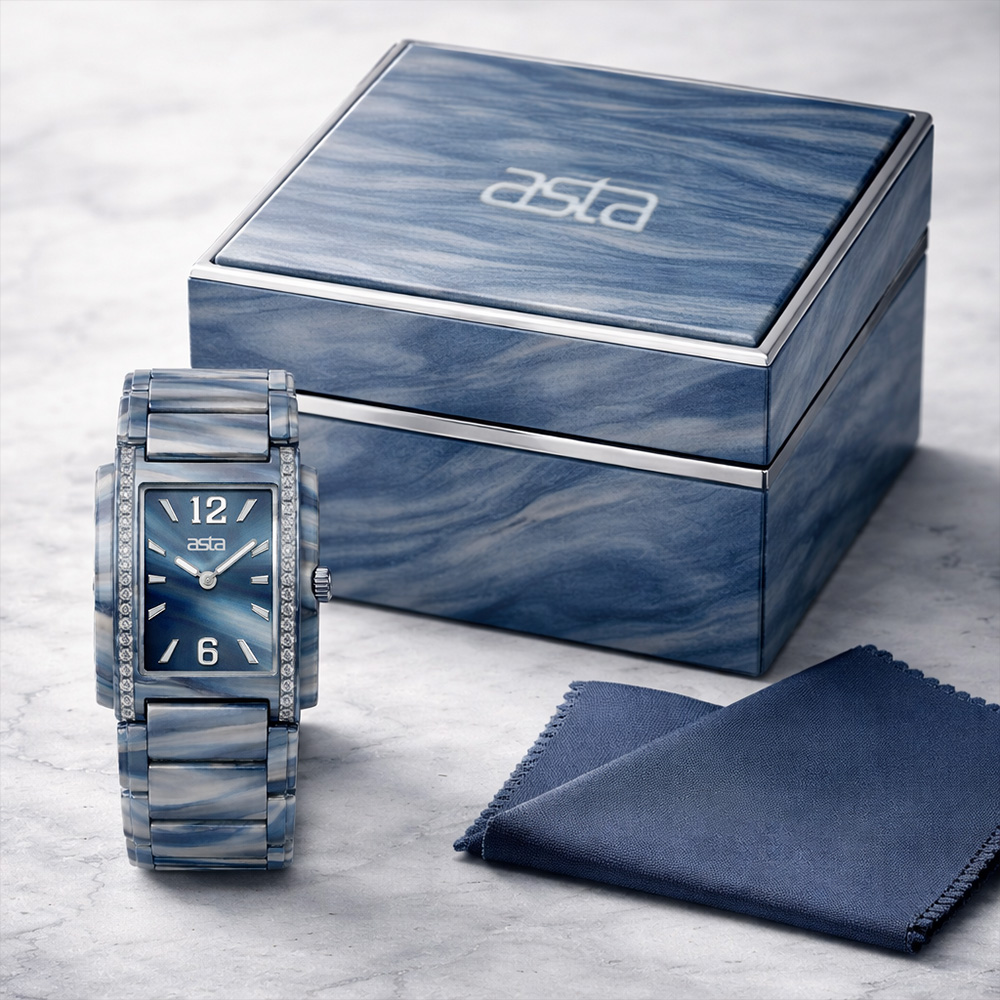
1. Smaller Case Sizes Are Becoming More Commercially Important
One of the clearest watch trends in 2026 is the continued movement toward smaller and more wearable case sizes. Major 2026 launches and coverage show growing attention on 30mm, 34mm, 36mm, 37mm, 38mm, and 39mm watches, including updated Tudor Royal models in 30mm, 36mm, and 40mm, and Bulgari’s new 37mm Octo Finissimo. Fashion coverage also points to a broader shift toward refined, wearable silhouettes over oversized designs.
For private label and OEM buyers, this is important because smaller watches usually have broader market reach. They work well in women’s fashion, unisex collections, boutique retail, and gift-driven channels. A sub-40mm strategy can often reduce assortment risk while improving appeal across multiple customer groups. That merchandising conclusion is an inference from the cited 2026 product and style trends.
2. Jewelry-Inspired Watches Are Growing Stronger
2026 style coverage highlights cocktail watches, square faces, and vintage-inspired shapes as key directions, reflecting stronger overlap between watches and jewelry. Watches are being positioned more often as fashion accessories and statement pieces, not only as practical timekeepers.
This trend creates a major opportunity for OEM and private label brands. Buyers can respond with slimmer profiles, polished finishes, elegant bracelets, more feminine or fashion-forward silhouettes, and watches designed for day-to-night styling. This is especially relevant for brands selling into boutiques, department stores, gift channels, and premium fashion retail. That channel recommendation is an inference from the cited style trends.
3. Vintage Shapes and Heritage Styling Still Matter
Square faces, classic tank-like proportions, and vintage-inspired forms remain central to 2026 watch demand. Who What Wear identifies square faces and vintage shapes among the year’s key watch trends, while 2026 watch releases continue to lean on archive-inspired design language and refined proportions.
For OEM buyers, this means new product development does not always need radical design to feel current. Clean heritage styling, softened geometry, classic markers, and understated dials can be easier to commercialize than aggressive novelty. In a cautious market, products that feel timeless often carry lower sell-through risk. That final point is an inference based on the cited heritage trend coverage and broader market caution.
4. Customization Is Becoming a Core Selling Tool
One of the most relevant 2026 trends for private label buyers is the growing importance of personalization. Fashion coverage specifically identifies interchangeable straps as a major trend and says customization will be huge this year.
For OEM and private label buyers, this supports a broader development strategy built around:
- interchangeable straps
- multiple dial colors
- case-and-strap material combinations
- branded packaging
- market-specific capsule collections
Customization helps private label brands create stronger differentiation without needing entirely new mechanical platforms. It also allows importers, retailers, and distributors to adapt the same core model to different customer segments. These business implications are inferences grounded in the cited customization trend.
5. Color, Texture, and Material Story Are More Important Than Before
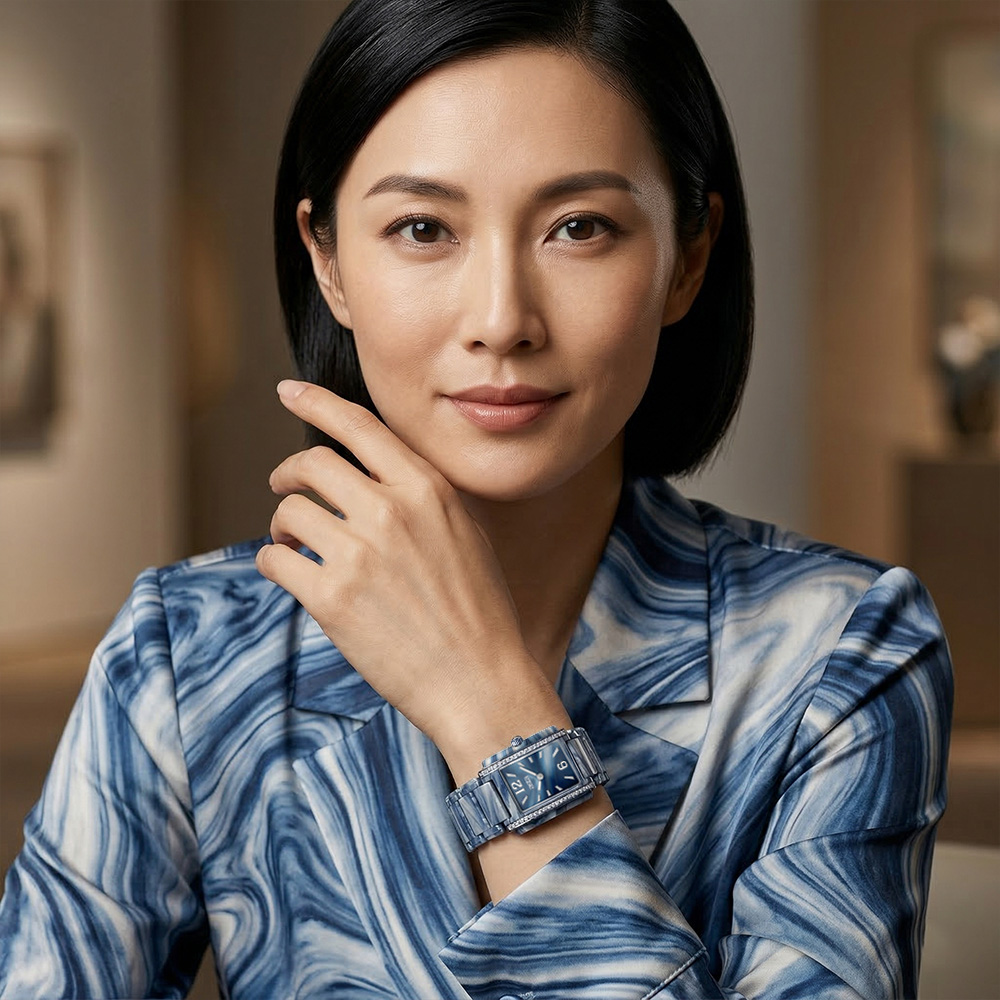
Recent 2026 launches and style reporting show continued attention on more expressive watch design, including colorful dials, lacquer finishes, ornamental stones, and visually distinctive materials. Rolex introduced new 34mm and 28mm Oyster Perpetual models with stone-accented lacquer dials, and Piaget’s new Swinging Pebbles collection leans heavily into ornamental stone craft and jewelry-watch crossover.
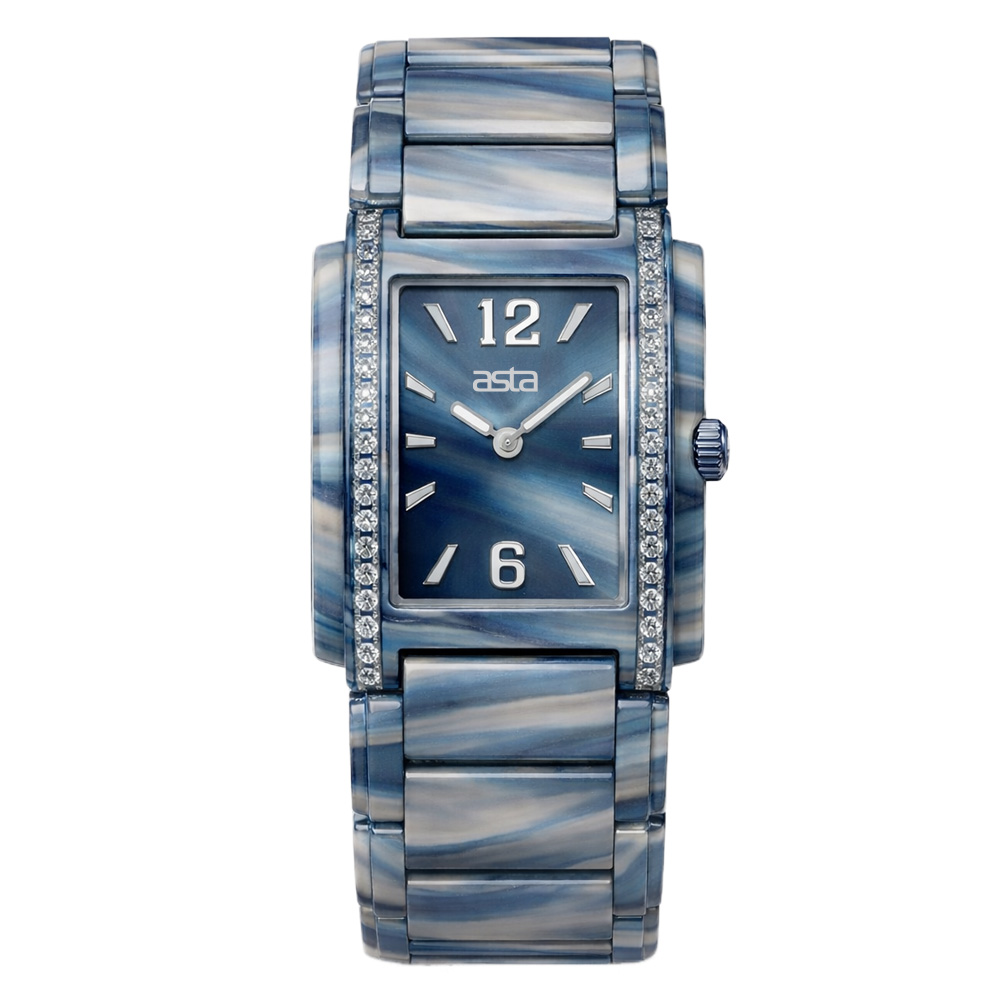
For private label brands, this means surface design is becoming a stronger commercial lever. Material story, dial texture, gloss level, patterning, and color coordination can matter just as much as movement specification in many fashion-led channels. This is one reason acetate watch collections are especially relevant: acetate naturally supports marbled effects, tortoiseshell patterns, layered color, and glossy finishes that align well with this broader 2026 shift toward more expressive product design. The last sentence is an inference based on the cited material and color trends.
6. Price Discipline Is Now a Major Sourcing Priority
Pricing pressure is one of the most important business realities for 2026 buyers. WatchPro USA reports that 2026 catalogues reflect the impact of record gold prices, a weaker dollar, inflation, and a higher 15% tariff on Swiss watch imports to the United States.
For OEM and private label buyers, this means product development has to be tied more closely to achievable retail pricing. In practice, that often means:
- simpler assortments
- fewer weak SKUs
- better control of material cost
- more careful packaging decisions
- stronger focus on value perception
In 2026, being trend-right is not enough. A watch also needs to sit in a price band that retailers and end customers can absorb. This commercial conclusion is an inference from the cited pricing pressures and broader market conditions.
7. OEM Buyers Should Prioritize Versatility Over Excess Complexity
Hodinkee describes 2025 as one of the most structurally challenging years in a decade and frames 2026 around careful business expectations rather than easy growth. The official Swiss data also shows that while the highest price segments held up better, most products saw a downturn in 2025.
That environment favors OEM development strategies built around versatile products rather than overly fragmented collections. For example, a watch platform that can support multiple colors, strap options, and dial variants is usually more useful than a large lineup of unrelated case constructions. This helps reduce development risk while still giving the buyer room for brand differentiation. That is an inference from the cited market conditions and customization trend.
8. Unisex Design Is Becoming More Valuable
Smaller cases, jewelry influence, and cleaner styling are all helping watches move toward more flexible unisex positioning in 2026. Coverage of recent launches emphasizes improved wearability and non-gender-specific design choices, especially in newer compact models.
For OEM and private label buyers, unisex design can improve efficiency. A well-designed collection in balanced sizes and neutral colorways can work across more retail channels, support gifting, and reduce the need for separate men’s and women’s product architecture. This is an inference based on the cited design direction.
What Private Label and OEM Buyers Should Do in 2026
Based on the latest industry direction, watch buyers should focus on a sourcing strategy built around commercial clarity:
- develop more 34mm to 39mmstyles with strong wearability
- use heritage shapes, square cases, and jewelry influenceto stay current without overdesigning
- make customizationa central part of product planning, especially straps, dials, and packaging
- strengthen color and material storytellingto improve visual differentiation
- manage price architecturecarefully in response to inflation, tariffs, and more selective demand
Final Thoughts
The latest watch industry trends for private label and OEM buyers are clear: smaller sizes, more fashion influence, stronger customization, more expressive materials, and tighter price discipline are defining the 2026 market. At the same time, the industry backdrop remains selective, with official Swiss data showing a difficult 2025 and uneven conditions entering 2026.
For brands sourcing new collections, the winning approach is likely to be focused rather than broad. Buyers who combine trend-aware design with strong value positioning, flexible customization, and cleaner assortment planning should be in a much better position to succeed. For acetate watch suppliers and brands, this is especially promising, because acetate naturally fits several of the year’s strongest trends: color expression, fashion appeal, lighter wearability, and design differentiation. That final conclusion is an inference based on the cited 2026 trends above.

Leave a Comment ( 0 Comment )
Comments are closed.