
 EN
EN  DE
DE  IT
IT  FR
FR  RU
RU  ES
ES  JA
JA  PT
PT  KO
KO  TR
TR  DA
DA  TH
TH  HI
HI  MN
MN  VI
VI  AR
AR 
Wholesale Acetate Watches: MOQ, Lead Time and Customization Explained
For brands, distributors, and retailers entering the fashion watch market, wholesale acetate watches offer an attractive combination of premium style, lightweight comfort, and strong product differentiation. However, before placing an order, most buyers want clear answers to three key questions: What is the MOQ? How long is the lead time? And what customization options are available?
Understanding these factors is essential for planning costs, managing inventory, and building a watch collection that fits your market. Whether you are launching a new product line or expanding an existing brand, working with the right acetate watches supplier starts with knowing how wholesale production usually works.
In this guide, we explain MOQ, lead time, and customization for wholesale acetate watches in a simple and practical way.
Why Wholesale Acetate Watches Are in Demand
An acetate watch is made with cellulose acetate, a premium material known for its glossy finish, rich color depth, and fashionable appearance. Compared with ordinary plastic watches, acetate watches often look more refined and feel more comfortable, making them a popular choice for modern watch collections.
Wholesale buyers are increasingly interested in acetate watches because they offer:
- Premium visual appeal
- Lightweight wearability
- Strong color and pattern variety
- Better product differentiation
- Flexibility for custom and private label development
These advantages make acetate watches a strong option for fashion brands, gift companies, boutique retailers, and distributors.
What Does MOQ Mean for Wholesale Acetate Watches?
MOQ stands for minimum order quantity. It refers to the smallest number of units a manufacturer requires for a production order. In the wholesale watch business, MOQ is important because it affects your budget, product range, inventory strategy, and launch plan.
For acetate watches, MOQ may vary depending on several factors, including:
- Whether you choose a ready-made design or a custom design
- The number of colors in the order
- The type of customization required
- Material sourcing needs
- Packaging requirements
In general, standard styles usually have a lower MOQ than fully customized projects.
Why MOQ Matters to Buyers
MOQ directly influences how easily you can start or test a product line. For example, if your order quantity is too high, you may face more inventory pressure and higher upfront investment. If the MOQ is manageable, you can test the market more safely and expand later based on actual sales performance.
For wholesale buyers, a reasonable MOQ helps with:
- Lower initial risk
- Easier product testing
- Better inventory control
- More flexible collection planning
- Faster market entry
When comparing suppliers, always ask for clear MOQ details by style, color, and customization level.
What Affects MOQ in Acetate Watch Orders?
MOQ is not always a single fixed number. It often depends on the structure of the project.
1. Stock or Ready-Made Designs
If you choose existing watch designs from a supplier’s catalog, the MOQ is usually lower because the product structure is already developed.
2. Custom Colors or Patterns
If you want special acetate colors, tortoiseshell effects, marble patterns, or exclusive material combinations, the MOQ may increase because of material preparation requirements.
3. Private Label Branding
Adding your own logo, packaging, or dial design may also affect the MOQ depending on the complexity of the customization.
4. Fully Custom Watch Development
If the watch case, strap, or overall design is newly developed for your brand, the MOQ is often higher because tooling, development, and setup costs are involved.
This is why buyers should discuss MOQ early in the sourcing process.
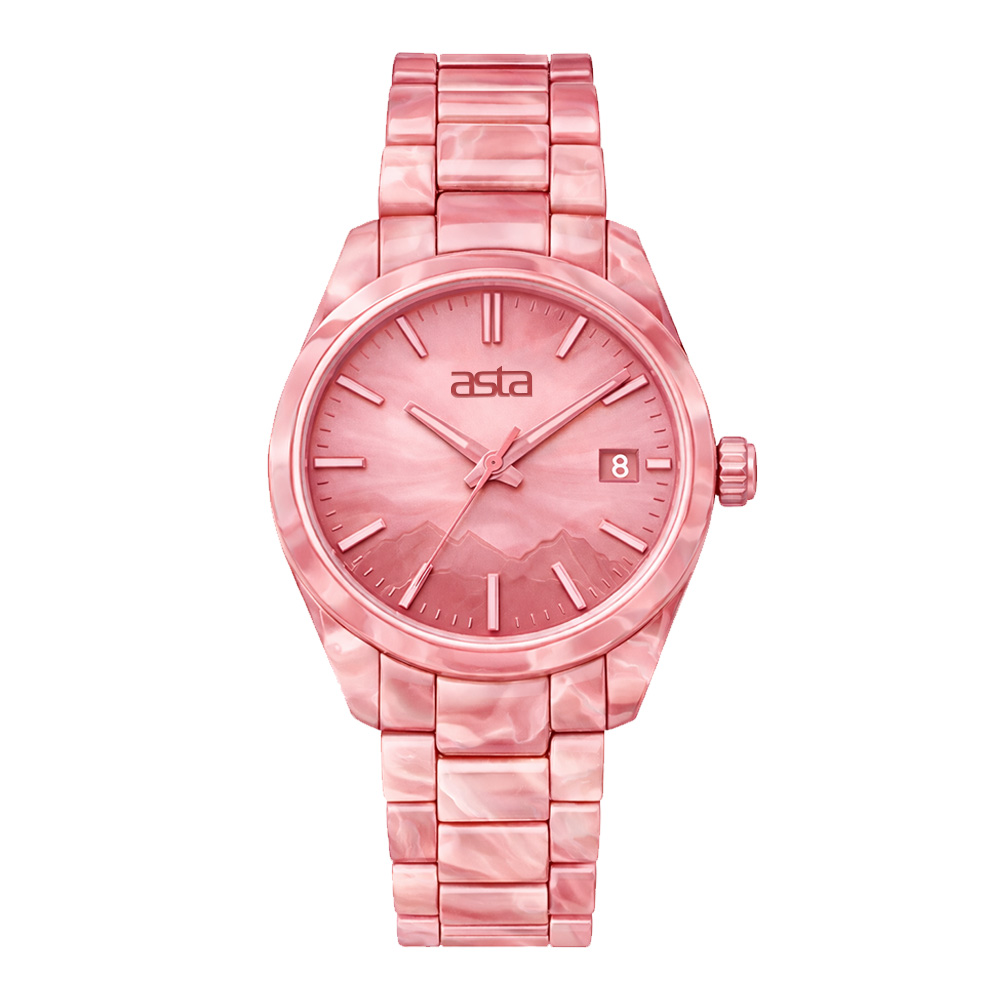
For example, asta Watches a specialized supplier—supports a minimum order quantity (MOQ) of just 50 units, allowing for the customization of the client's brand logo.
Lead Time for Wholesale Acetate Watches
Lead time refers to the amount of time needed to complete your order. In the acetate watch business, lead time usually includes both sample development time and mass production time.
Lead time can vary depending on the project, but it is usually influenced by:
- Product complexity
- Material availability
- Number of order units
- Customization requirements
- Production schedule
- Peak season pressure
A reliable acetate watch manufacturer should be able to explain the timeline clearly before production begins.
Sample Lead Time Explained
Before mass production, many buyers request a sample for approval. This is especially important for custom or private label projects.
Sample lead time may include:
- Design confirmation
- Material selection
- Color matching
- Logo setup
- Prototype assembly
- Finishing review
A sample allows buyers to confirm the watch appearance, structure, and quality before moving into full production. This step helps reduce mistakes and gives both sides a clearer production standard.
Mass Production Lead Time Explained
After the sample is approved, the supplier begins bulk production. Mass production lead time usually depends on:
- Order quantity
- Number of designs
- Number of colors
- Complexity of watch parts
- Acetate material preparation
- Assembly and finishing workload
For wholesale buyers, understanding the full production cycle is essential for inventory planning, seasonal launches, and retailer delivery.
Why Lead Time Matters
Lead time affects your ability to:
- Launch products on schedule
- Meet retailer deadlines
- Plan promotions and marketing
- Manage stock replenishment
- Avoid missed sales opportunities
The best suppliers do not simply offer fast lead times. They offer realistic and dependable lead times. Reliable scheduling is often more valuable than unrealistic promises.
Customization Options for Wholesale Acetate Watches
One of the biggest advantages of working with acetate watches is the strong customization potential. Acetate is a highly visual material, which makes it perfect for brands that want unique fashion products.
A professional acetate watches supplier may offer customization in several areas.
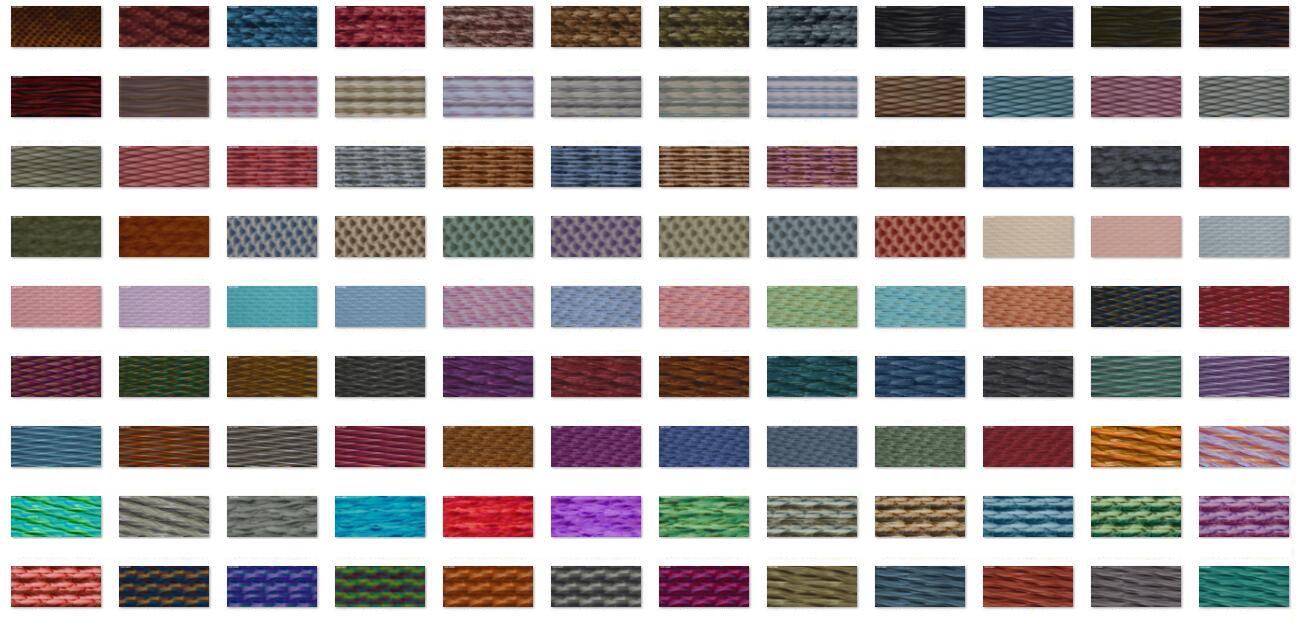
1. Acetate Color Customization
Color is one of the most important elements in acetate watch design. Brands can often choose from a wide range of effects, including:
- Tortoiseshell
- Marble patterns
- Transparent finishes
- Solid glossy colors
- Pearl textures
- Multi-layer mixed colors
Custom color development helps brands create collections that match their target market and seasonal trends.
2. Watch Case and Strap Design
Many suppliers can customize the watch case shape, strap structure, or bracelet appearance based on your design direction. This is especially important for brands that want a more exclusive look instead of using common market styles.
3. Dial Customization
The dial is a major branding element in any watch. Custom dial options may include:
- Logo printing
- Index style changes
- Color adjustments
- Texture details
- Special graphic elements
A custom dial can significantly improve the product’s identity and market appeal.
4. Logo and Branding
For wholesale and private label buyers, logo customization is often essential. Common branding options include:
- Dial logo printing
- Case back engraving
- Buckle logo application
- Crown logo details
- Packaging logo customization
These details help transform a general watch product into a branded collection.
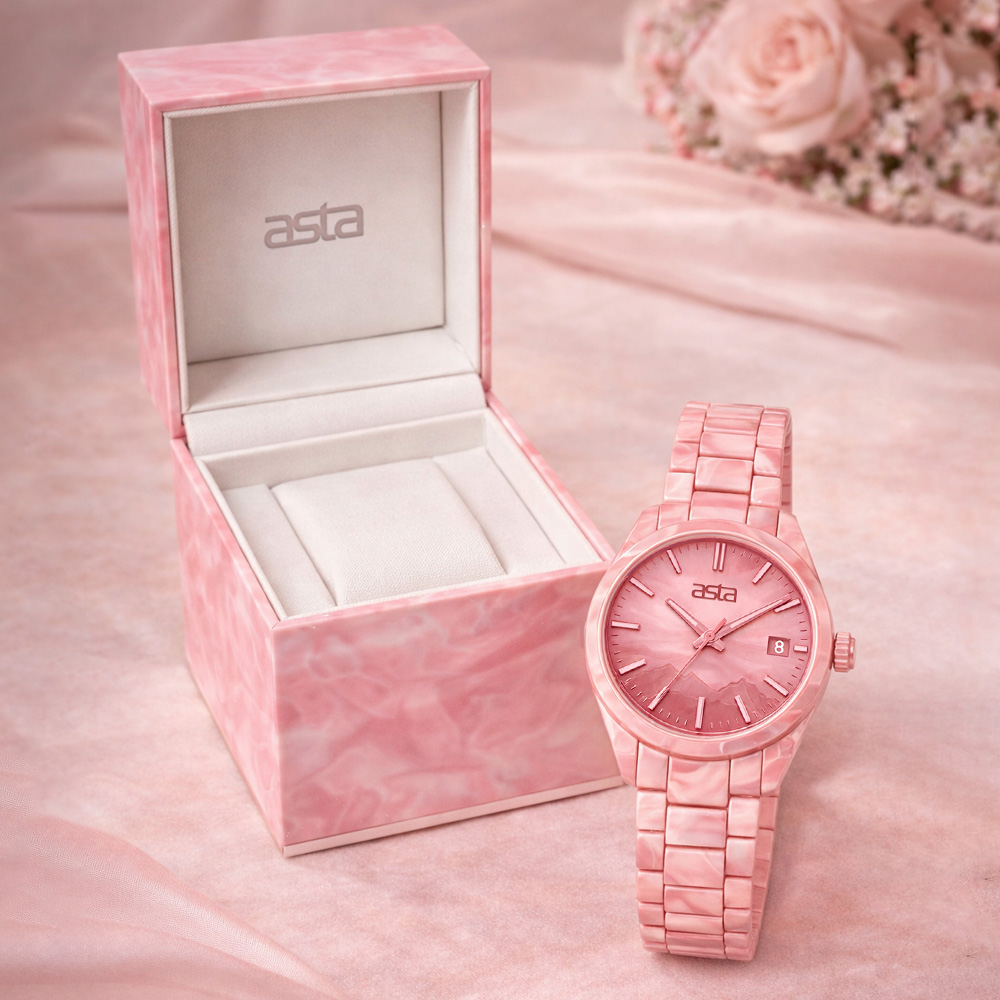
5. Packaging Customization
A supplier that supports private label or premium wholesale business should also offer packaging customization. This may include:
- Custom watch boxes
- Printed logo cards
- User manuals
- Outer gift packaging
- Brand presentation inserts
Packaging plays an important role in retail presentation and perceived value.
OEM and ODM in Wholesale Acetate Watches
When discussing customization, buyers often see the terms OEM and ODM.
OEM
OEM usually means the supplier manufactures a product based on the buyer’s design, specifications, or brand requirements.
ODM
ODM usually means the supplier offers an existing design that can be adjusted or branded according to the buyer’s needs.
Both options are common in wholesale acetate watch sourcing. OEM is better for brands seeking exclusivity, while ODM may be better for faster launches and lower development costs.
How to Choose the Right Customization Level
Not every buyer needs the same level of customization. The best choice depends on your business model, budget, and market strategy.
For New Brands
Starting with a semi-custom or ODM-based project may reduce risk and speed up market entry.
For Established Brands
A more advanced OEM project may be better if your goal is to create strong product differentiation.
For Distributors and Wholesalers
A balanced mix of ready-made and branded styles may be the most practical solution.
Understanding your own goals will help you choose the right production path.
Questions to Ask Your Acetate Watches Supplier
Before placing a wholesale order, it is wise to ask the supplier several key questions:
- What is the MOQ per design and per color?
- Does MOQ change for custom acetate patterns?
- How long is sample development?
- How long is mass production?
- What custom options are available?
- Do you support OEM and ODM?
- Can you provide packaging customization?
- How do you control quality before shipment?
These questions help you avoid misunderstandings and build a more efficient sourcing process.
Why the Right Supplier Makes a Difference
A professional acetate watch manufacturer does more than quote prices. The right supplier helps you understand production limits, manage lead times, improve customization decisions, and build a more successful product line.
A dependable supplier should offer:
- Clear MOQ structure
- Transparent lead time planning
- Strong acetate material expertise
- Practical customization support
- Stable communication
- Reliable production quality
This kind of support is especially important for brands that want to grow in the competitive fashion watch market.
Final Thoughts
When sourcing wholesale acetate watches, MOQ, lead time, and customization are the three most important areas to understand. MOQ affects your budget and launch flexibility. Lead time affects your sales schedule and inventory planning. Customization determines how distinctive and marketable your collection can be.
By working with an experienced acetate watches supplier, brands can better manage these factors and develop stylish, high-quality watch collections with more confidence. If you want to succeed in the acetate watch market, the first step is choosing a supplier that can offer both production reliability and strong customization support.

Leave a Comment ( 0 Comment )
Comments are closed.