
 EN
EN  DE
DE  IT
IT  FR
FR  RU
RU  ES
ES  JA
JA  PT
PT  KO
KO  TR
TR  DA
DA  TH
TH  HI
HI  MN
MN  VI
VI  AR
AR What Is Acetate Material?
Acetate material is a plant-based synthetic material made primarily from natural cellulose, usually sourced from cotton linters or wood pulp. It is widely used in premium consumer products because it combines a refined appearance with versatility, durability, and comfort. In the watch industry, acetate is especially valued for its glossy finish, rich color patterns, lightweight feel, and fashionable look, making it a popular choice for modern acetate watch designs.
Unlike ordinary plastic, acetate offers a more luxurious texture and a deeper visual effect. It can be produced in a wide range of colors, transparent tones, marbled patterns, tortoiseshell styles, and custom textures. This is one of the main reasons why acetate material has become increasingly popular in accessories such as eyewear, jewelry, and watches.
The Basic Composition of Acetate Material
Acetate is short for cellulose acetate, a material derived from natural plant fibers that go through a chemical process to improve flexibility, appearance, and usability. Because its base comes from renewable natural sources, acetate is often considered a more premium and more environmentally conscious option than petroleum-based plastics in many fashion applications.
Its structure gives it several distinctive features:
- Smooth and polished surface
- Excellent color depth
- Lightweight feel
- Good toughness
- Comfortable skin contact
- Strong design flexibility
These characteristics make acetate material ideal for products where both aesthetics and user experience matter.
Is Acetate a Plastic?
Technically, acetate is often grouped with plastics because it is a moldable synthetic material. However, it is quite different from common injection-molded plastics such as ABS or standard resin. Acetate is generally considered a higher-grade material because it is made from cellulose and is known for its premium finish and handcrafted appeal.
In the market, many buyers prefer acetate over ordinary plastic because acetate looks more elegant, feels smoother, and allows for more sophisticated pattern development. For fashion accessories and watches, this visual difference is especially important.
Key Features of Acetate Material
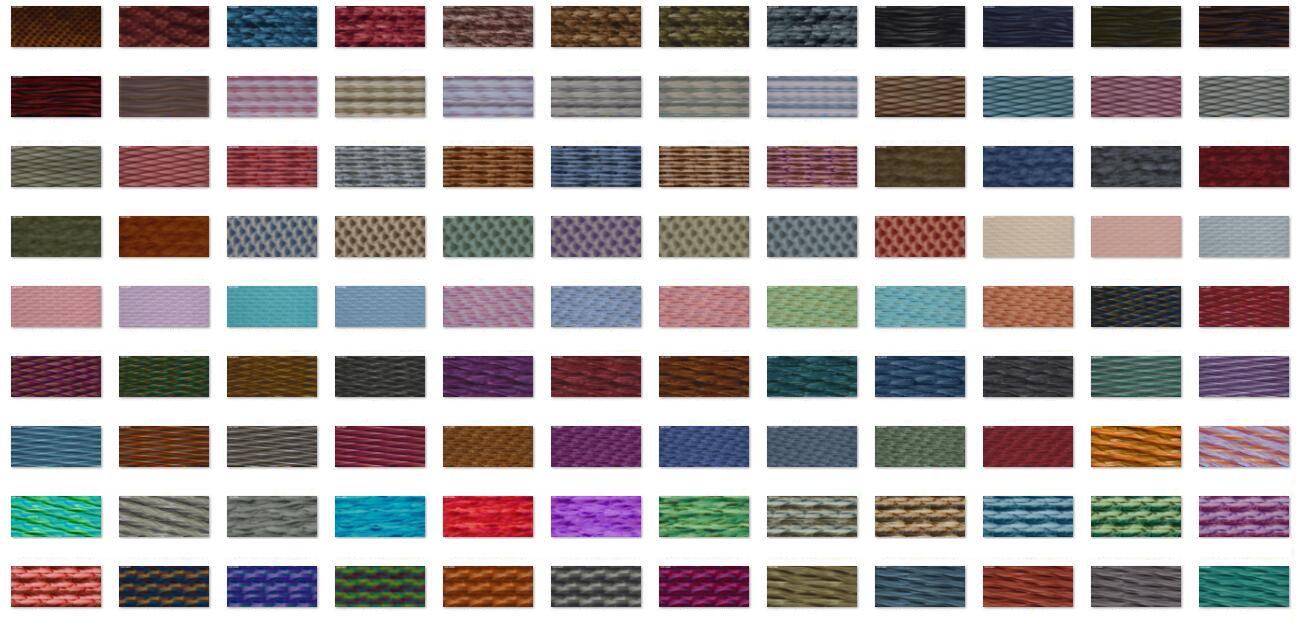
1. Rich and Luxurious Appearance
One of the biggest advantages of acetate material is its visual beauty. It can display layered colors, depth, and unique patterns that are difficult to achieve with standard plastic materials. This makes every acetate product look more premium and distinctive.
For an acetate watch, this means the case or strap can stand out with eye-catching styles such as:
- Tortoiseshell
- Marble effect
- Transparent color
- Gradient tones
- Pearl textures
- Multi-layered patterns
These design possibilities help brands create fashionable watches that appeal to style-conscious consumers.
2. Lightweight and Comfortable
Acetate is light in weight, which makes it comfortable for daily wear. In watch manufacturing, this is a major benefit because users want a timepiece that looks stylish without feeling heavy on the wrist.
A well-designed acetate watch can offer all-day comfort while still delivering a bold fashion statement.
3. Skin-Friendly Surface
Compared with some low-grade synthetic materials, acetate usually has a smoother and warmer touch. It is often chosen for products that stay in close contact with the skin for long periods. This is one reason acetate has long been trusted in the eyewear industry and is now gaining more attention in watch design.
4. Excellent Color Customization
Acetate sheets can be developed in countless colors and patterns. This makes acetate material highly suitable for OEM and ODM projects. For brands that want to create unique watch collections, acetate offers strong customization freedom.
Custom options may include:
- Solid colors
- Semi-transparent finishes
- Exclusive seasonal colors
- Signature brand patterns
- Mixed color lamination
This flexibility is highly valuable for private label and wholesale buyers.
5. Durable for Fashion Accessories
Acetate is not only attractive but also practical. When properly processed and finished, it offers good toughness and long-term usability in fashion accessories. It can maintain its polished appearance well with proper care, making it suitable for premium watches designed for everyday fashion wear.
How Is Acetate Material Made?
The production of acetate material starts with natural cellulose extracted from plant sources. This cellulose is treated and transformed into cellulose acetate, which is then formed into sheets or blocks. After that, the material can be cut, laminated, shaped, polished, and finished according to the product design.
In the watch industry, manufacturers often use acetate sheets to create decorative watch components, especially for cases, bracelets, or outer design elements. Skilled craftsmanship is important because acetate requires precise cutting, shaping, and polishing to achieve a luxury-quality result.
This is why experienced manufacturers are essential in acetate watch production.
Acetate Material vs. Ordinary Plastic
When comparing acetate material with ordinary plastic, the differences are clear.
Appearance
Acetate has a richer and more premium look, while ordinary plastic often appears flat and less refined.
Texture
Acetate feels smoother and more comfortable, while common plastic may feel harder or cheaper.
Pattern Possibilities
Acetate supports layered and artistic patterns, while ordinary plastic usually has simpler surface coloring.
Market Position
Acetate is often used in premium fashion products, while ordinary plastic is more common in low-cost mass-market goods.
For brands that want to position their watches at a mid-range or premium level, acetate is usually a stronger choice.
Why Acetate Material Is Popular in Watches
The global fashion accessories market increasingly values materials that combine style, comfort, and customization. Acetate fits these needs very well. As consumers look for watches that are not only functional but also expressive, acetate has become a smart material choice.
An acetate watch is appealing because it offers:
- A fashionable and luxurious look
- Lightweight daily wear
- Strong color and pattern options
- Better visual differentiation
- High customization potential for brands
For watch brands, retailers, and distributors, acetate watches can bring fresh product energy to collections and help attract customers seeking trend-driven accessories.
Is Acetate Material Sustainable?
Acetate is often seen as a more responsible alternative to some petroleum-based plastics because it is derived from natural cellulose. However, sustainability depends on raw material sourcing, manufacturing methods, and finishing processes. While acetate is not the same as fully natural raw material, it is generally considered a more eco-conscious option in many fashion sectors.
For brands that care about both design and material story, acetate can offer a valuable balance between premium aesthetics and plant-based origin.
Applications of Acetate Material
Acetate material is widely used in:
- Eyewear frames
- Watch cases and straps
- Jewelry
- Hair accessories
- Fashion ornaments
- Luxury gift products
Its success across these product categories proves its strong commercial value and design versatility.
How to Choose a Reliable Acetate Watch Supplier
If you want to develop acetate watches for your brand, choosing the right supplier is critical. A professional acetate watches supplier should offer:
- Stable material quality
- Rich color and pattern options
- OEM and ODM capability
- Precision craftsmanship
- Consistent polishing and finishing
- Reliable production lead time
- Experience in fashion watch manufacturing
A qualified supplier can help transform acetate material into a high-quality watch product that matches your brand identity and market goals.
Final Thoughts
So, what is acetate material? It is a high-quality cellulose-based material known for its beauty, lightweight comfort, and outstanding design flexibility. With its premium appearance and excellent customization potential, acetate has become a preferred material in fashion accessories, especially in the growing acetate watch market.
For brands looking to develop stylish and distinctive watches, acetate is more than just a material choice. It is a way to create added value, visual uniqueness, and stronger customer appeal.

Leave a Comment ( 0 Comment )